
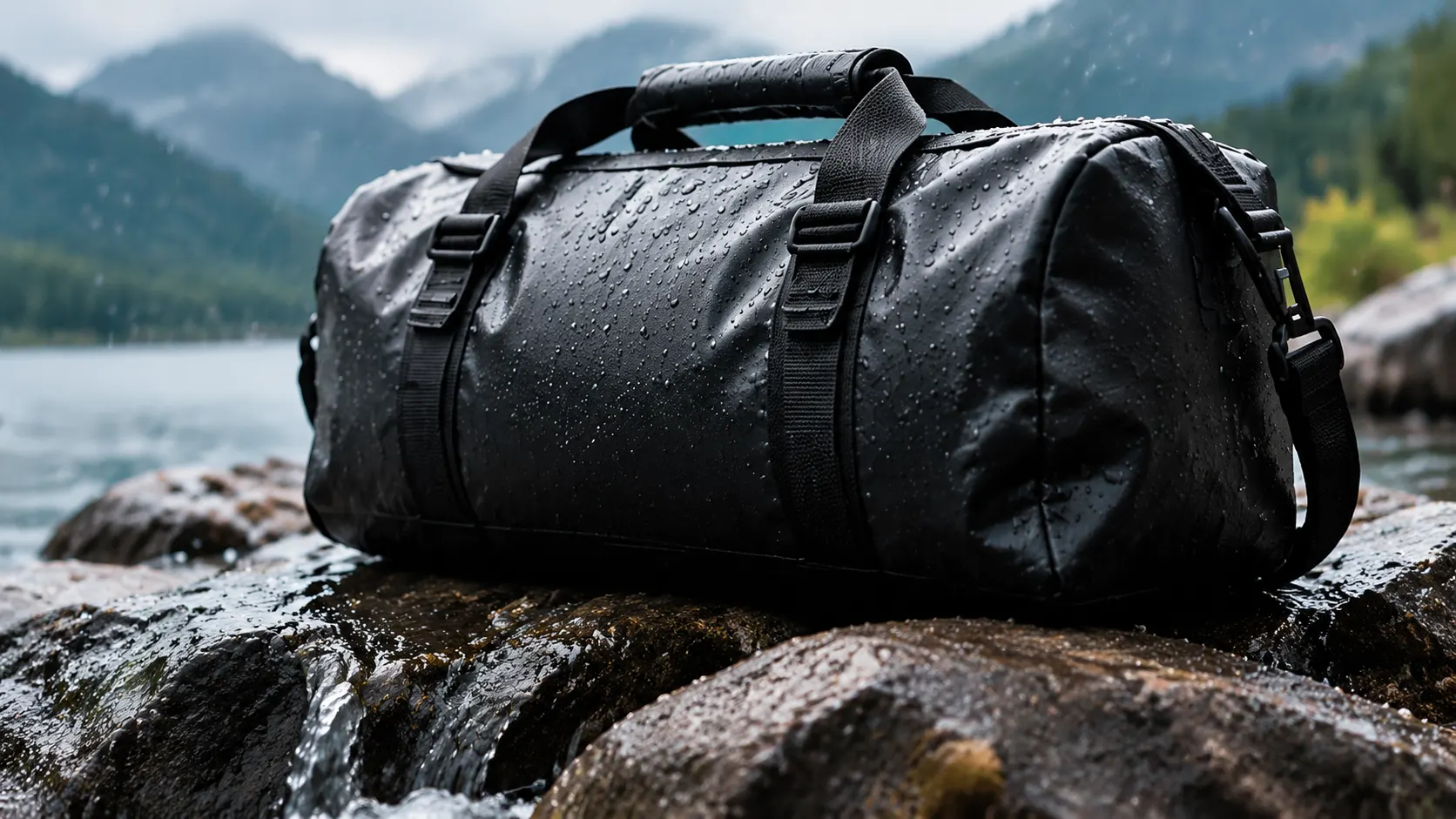
A duffel bag is a popular choice for travel, sports, gym activities, and outdoor adventures. However, when traveling in rainy weather or carrying equipment in wet environments, protecting personal belongings becomes especially important. This is why waterproof duffel bags have become increasingly popular among travelers, athletes, and outdoor enthusiasts.
But what actually makes a duffel bag waterproof? Is it simply the fabric, or does the overall construction also matter?
In this guide, we will explore the materials, manufacturing techniques, and essential features that help create a durable and reliable waterproof duffel bag.
1. Waterproof Materials: The Foundation of Protection
The fabric is one of the most important factors determining a duffel bag’s water protection. Different materials offer different levels of waterproof performance, durability, and flexibility.
Here are three commonly used materials:
TPU-Coated Fabric
Thermoplastic polyurethane (TPU) coating creates a flexible, water-resistant barrier on the fabric surface. It offers good abrasion resistance, flexibility, and durability, making it suitable for premium travel and sports bags.
PVC Tarpaulin
PVC-coated fabric is widely used in waterproof outdoor bags. It provides excellent water protection and is particularly suitable for heavy-duty applications, including camping, boating, and adventure travel.
Coated Nylon and Polyester
Nylon and polyester are lightweight, strong, and versatile materials. When treated with PU or TPU coatings, they can provide effective protection against rain and splashes while maintaining a relatively lightweight structure.
The best material depends on the intended application, target market, and product positioning.
2. Water-Blocking Construction: Seams and Closures Matter
Even if a bag uses waterproof fabric, water can still enter through poorly constructed seams, zippers, and openings.
Professional manufacturing techniques help minimize these risks.
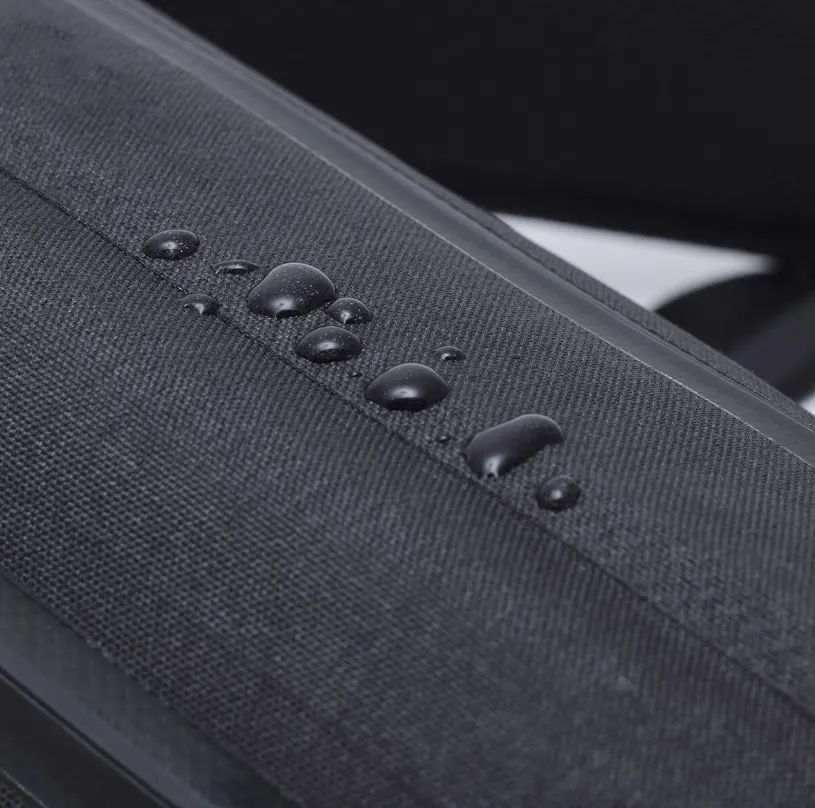
- Sealed Seams: Heat welding or seam sealing helps prevent water from entering through needle holes and stitching lines.
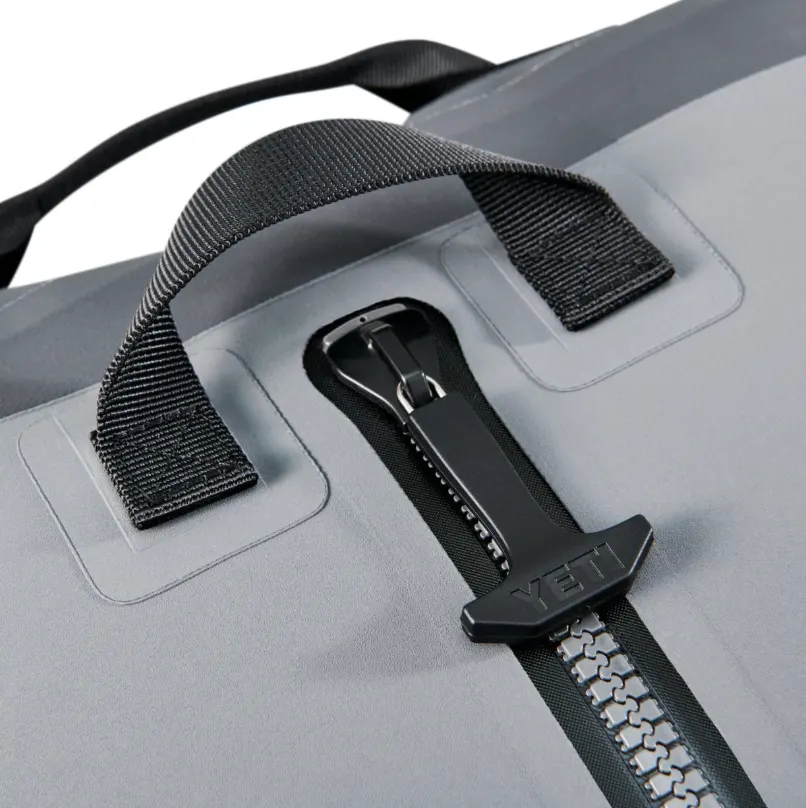
- Waterproof Zippers: Specially designed water-resistant zippers with protective sealing layers help reduce water penetration.
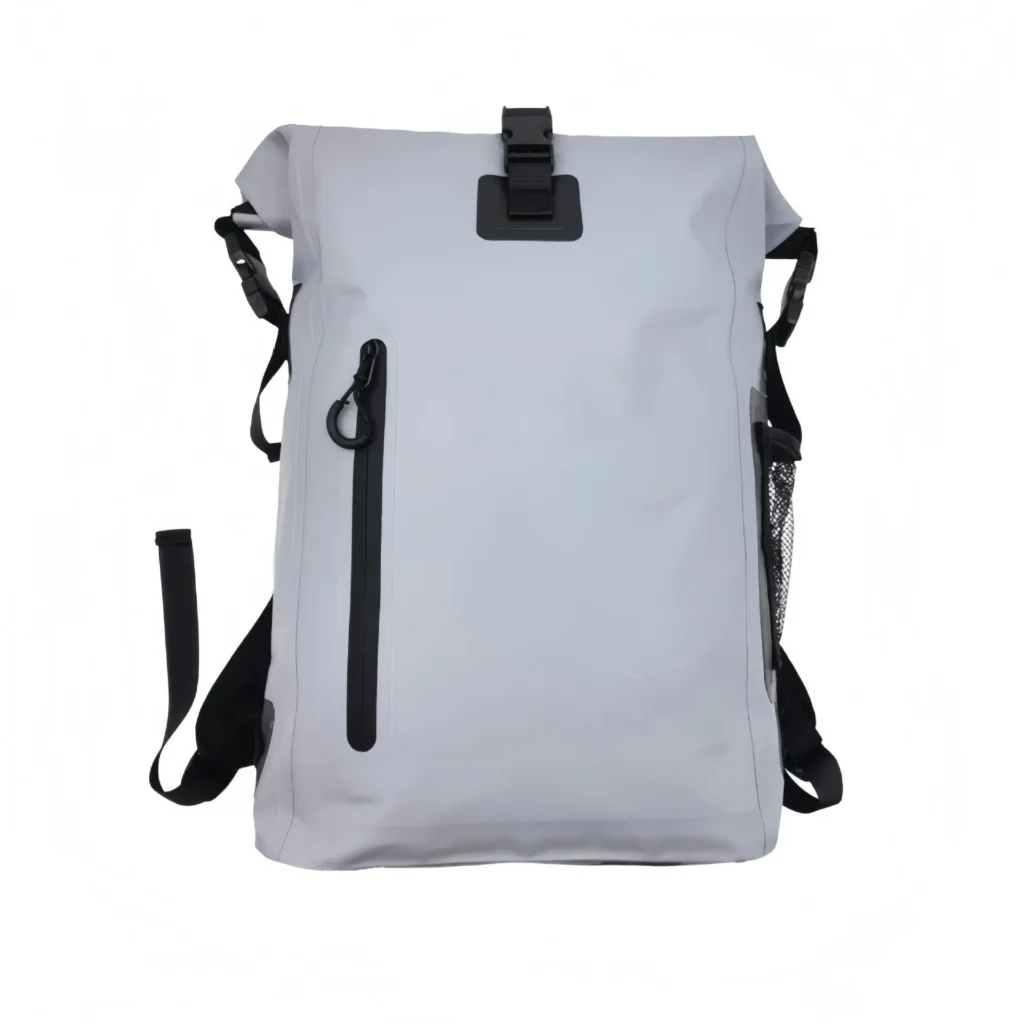
- Roll-Top Closures: This design creates a secure opening when properly folded and fastened, making it popular for outdoor waterproof bags.
- Reinforced Bottom Panels: A reinforced base provides extra protection against moisture when the bag is placed on wet surfaces.
These construction details are essential when developing a high-performance waterproof duffel bag.
3. Essential Features of a Waterproof Duffel Bag
Beyond materials and construction, several functional features improve the overall performance of a waterproof travel bag.
Durable Handles and Shoulder Straps: Reinforced attachment points help the bag withstand heavy loads and frequent use.
Water-Resistant External Pockets: Properly designed pockets provide additional protection for smaller personal items.
Abrasion-Resistant Base: A strong bottom panel helps protect the bag from rough ground and wet surfaces.
Lightweight and Flexible Design: A good waterproof duffel bag should balance water protection with portability and storage convenience.
For brands and retailers, combining these features creates a more competitive product for different consumer markets.
Conclusion
A high-quality waterproof duffel bag is more than just a bag made from waterproof fabric. Its performance depends on the combination of suitable materials, sealed construction, reliable closures, and durable components.
Whether you are developing a new travel bag collection or sourcing waterproof bags for wholesale distribution, understanding these factors will help you make better purchasing decisions.
Looking for a Reliable Duffel Bag Manufacturer?
Contact SUNSHINE to discuss your custom waterproof duffel bag project. Our team is ready to support your OEM/ODM requirements with professional manufacturing solutions.
Request a Quote and start developing your next bag collection with us.
